Why Do Zebras Have Stripes?
Why do zebras have stripes? The answer mixes evolution, biting flies, heat, and confusion—a fashionable mystery with serious survival stakes.
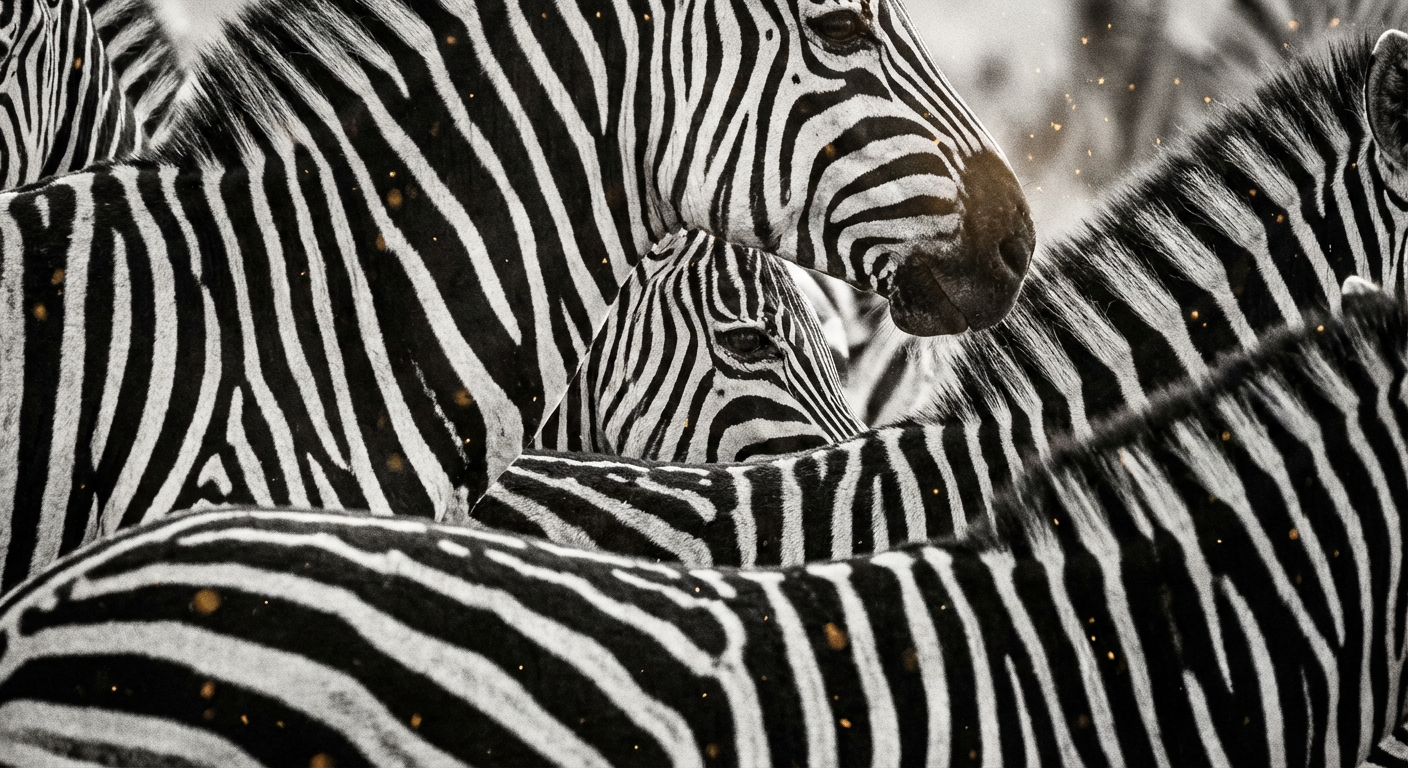
Zebras look like nature let a painter loose on a horse and never called them back. Those black-and-white stripes are so bold, so neat, and so obviously important that people have been arguing about them for well over a century. Are they camouflage? A cooling system? A social badge? A way to confuse predators? The short answer is irritatingly scientific: probably not just one thing. But if we ask which idea has the strongest evidence, one explanation now stands out from the herd.
The biggest clue is where stripes show up and where they do not. Across Africa, zebras live in places with heat, open grassland, predators, and lots of social interaction. So do many other hoofed mammals. Yet only zebras wear this barcode chic full time. That tells biologists the stripes likely solve a very specific problem. Over time, studies comparing zebra ranges, habitats, and anatomy have pointed to an especially pesky suspect: biting flies.
The fly-swatter theory in fancy pajamas
For years, one popular idea was camouflage. At dawn or dusk, stripes might break up the animal’s outline. Another idea suggested predators such as lions would struggle to judge speed or direction when a striped herd bolts. There is some logic here. A moving crowd of zebras can look like a badly tuned television sprinting through grass. But when scientists tested these ideas carefully, the evidence was mixed. Lions still catch zebras. Hyenas are not exactly standing around saying, “Blast, the optical illusion got me again.”
Then came the fly research, and suddenly the story got sharper. Zebras are harassed by blood-feeding flies such as horseflies and tsetse flies, which are more than annoying. These insects can spread disease, drain blood, and force animals to waste energy swishing, twitching, and running. Researchers found that areas with more biting fly pressure lined up strongly with where zebra stripes are most pronounced. That correlation was stronger than links with predators, vegetation, or even some climate measures.
Experiments added more weight. Scientists draped striped and plain coats over horses, used differently patterned surfaces, and watched how flies behaved. Again and again, biting flies were less successful on striped patterns. They still approached, but they landed poorly, or veered off at the last moment like tiny incompetent pilots. Exactly why this happens is still being worked out. Flies may struggle with how polarized light reflects from stripes, or with judging speed and distance as they come in to land. Either way, the result is practical: stripes make a zebra a harder runway to stick on.
That matters because zebras have shorter hair than many other African mammals and may be especially vulnerable to biting insects. So in evolutionary terms, even a modest reduction in fly bites could pay off handsomely. Animals that got bitten less would lose less blood, pick up fewer pathogens, and spend less time in full-body panic mode. Over generations, natural selection could turn faint striping into the dramatic pattern we know today.
Heat, friends, and a little predator confusion
Does that mean the case is closed? Not quite. Evolution loves multitasking. Once stripes evolved mainly because they helped against flies, they may also have picked up side jobs. One long-running proposal is thermoregulation, the idea that black and white stripes heat differently in the sun and create tiny air currents that help cool the body. It is a clever thought, and zebras do live in hot places. Some studies have found hints that stripes may affect heat patterns on the skin.
But when researchers compared species and environments broadly, support for heat as the main driver has been weaker than support for biting flies. If stripes were chiefly a cooling device, we might expect more large mammals in hot habitats to evolve something similar. They generally did not. Nature is many things, but it is not usually shy about copying a good idea.
Social signaling is another possibility. Zebras are highly social, and their stripe patterns are individually distinctive. Mothers and foals may recognize one another partly by pattern, and herd members can likely use stripes as visual cues at close range. Still, this looks more like a bonus feature than the original reason stripes evolved. A fingerprint is useful, but it does not explain why the whole suit exists.
What about confusing predators? Here the answer is a polite maybe. A lone zebra in daylight is not invisible. But a herd in motion can create visual clutter, especially at short range. Stripes may make it harder for predators to single out one animal during a chase. Even so, lions hunt largely using stealth, scent, and close pursuit, not philosophical reflection on geometry. Predator confusion may help at the margins, but it is probably not the star of the show.
A pattern written by natural selection
So why do zebras have stripes? The best current answer is that stripes evolved mainly to reduce attacks from biting flies, with possible extra benefits in social recognition, predator confusion, and maybe heat management. That conclusion comes from a combination of field ecology, comparative studies, and experiments on how insects approach striped surfaces. It is not as romantic as “the savanna made them stylish,” but it is more satisfying. Evolution often works through relentless small annoyances, not grand drama. Sometimes the path to iconic beauty begins with trying not to get bitten on the backside.
And that is the charm of zebra stripes. They remind us that striking appearances in nature are not decorations pasted onto life after the important business is done. They are the important business. A zebra’s pattern is survival written in contrast: black against white, evidence against myth, and one very elegant answer to a very rude insect.
More in Speciesquest
Why Some Species Changed Hardly at All for Millions of Years
Why some species changed hardly at all for millions of years is a story of stable habitats, tough designs, and evolution knowing when to stop tinkering.
SpeciesquestWhy Some Fish Can Walk on Land
Why some fish can walk on land comes down to survival: escaping danger, chasing food, and breathing through nature’s weirdest workarounds.
SpeciesquestWhy Sloths Are So Slow—and Why It Works
Why sloths are so slow is really a story about energy, leaves, and survival. Their pace looks ridiculous, but it is a brilliant design.